Thermonuclear Reactors in Space: Scientists Propose New Energy Source for Future Missions
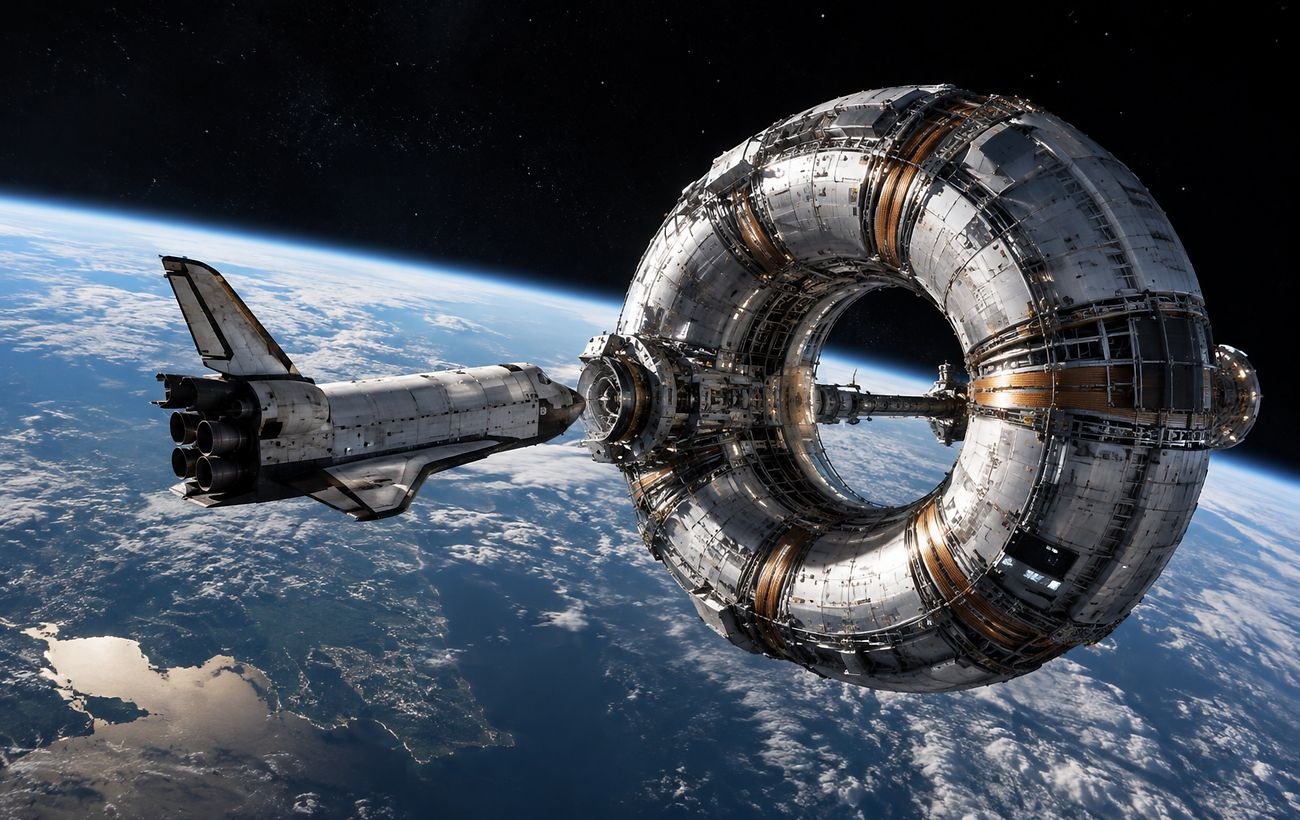
Researchers suggest placing nuclear fusion reactors in orbit to supply clean energy for future space exploration and settlements.
 💡Tech
Photo: RBC-Ukraine
Key points
- Scientists propose placing fusion reactors in orbit.
- Space conditions eliminate several terrestrial engineering limits.
- The proposed projects are currently theoretical.
Modern science is actively seeking reliable energy sources to power upcoming space missions. Because Earth-based experiments with controlled thermonuclear fusion face significant technical hurdles, researchers have proposed relocating such reactors to Earth's orbit. The corresponding study was published in the professional bulletin ResearchGate.
Space Advantages for Fusion Installations
Physicist Yang Bae from the Spacefaring Research institute notes that the space environment provides unique operational benefits for fusion reactors. Specifically, microgravity drastically reduces mechanical stress on tokamak structures. Furthermore, the absence of atmospheric pressure allows vacuum chambers to be significantly lighter and more compact, while open space facilitates efficient cooling through specialized radiation panels.
In the study, the researcher outlined a preliminary concept for a one-gigawatt tokamak. Such a facility could potentially generate enough electricity to power large industrial complexes, orbital data centers, and deep-space habitats.
Challenges and Alternatives
Currently, most spacecraft rely on solar panels, but their efficiency decreases further away from the Sun. Meanwhile, fission-based nuclear reactors raise safety concerns due to radioactive materials. Controlled thermonuclear fusion could become the foundation for long-term human presence beyond Earth, though these proposals remain largely theoretical at this stage.
Source RBC-Ukraine — rbc.ua/ukr/news/termoyaderni-reaktori-hochut-vidpraviti-kosmos-1795… ↗
Read next
 ⚽Sport
Dramatic overtimes and champion victories: how the Basketball Superleague matches concluded
The latest matchday of the Ukrainian Basketball Superleague delivered intense battles between leaders, incredible comebacks, and broken losing streaks.
 🚨Events
Body of third victim recovered from rubble in Dymer
Rescuers continue search operations at the site of a residential building hit in Dymer, Kyiv region. The death toll has risen to three.
 🛡️Security
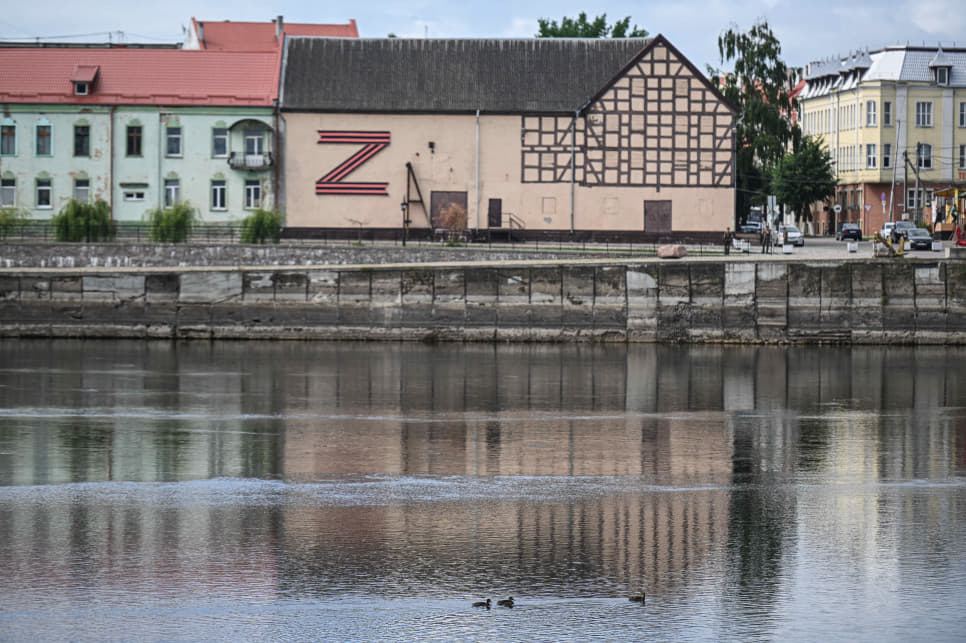
Poland Reports Russian Disinformation Wave Over Alleged Attacks in Kaliningrad Region
Warsaw and Vilnius counter multiple fake claims spread by Russian sources regarding incidents in the Baltic area.
 🚌Transport
Government Launches Digital Platform for Monitoring Critical Infrastructure
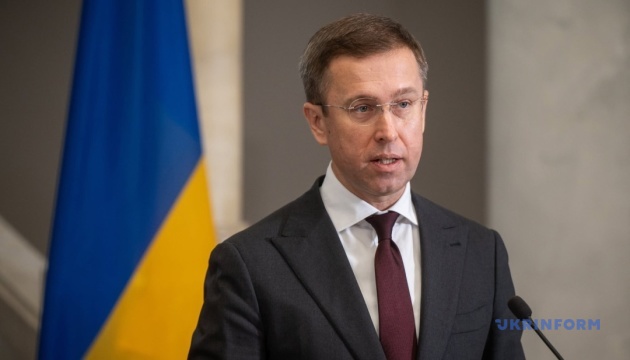
Prime Minister Sergii Koretskyi announced the creation of a digital service for rapid response to utility disruptions and the involvement of military specialists in repai…
 🩺Health
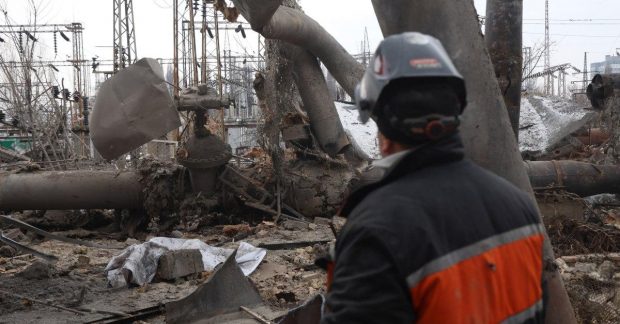
Military Specialists May Be Engaged in Repairing Damaged Energy Infrastructure
Military engineers and electricians could be deployed to assist civilian utility workers in accelerating the restoration of damaged energy facilities.
 🇺🇦Ukraine
British politicians distance themselves from Donald Trump over his comments on Putin
Leading British political parties have expressed disagreement with the US President-elect's rhetoric regarding the Russian dictator.