History and Traditions of New Year: Why We Celebrate on January 1st
We explore the historical origins of the January 1st date and how calendar reforms shaped our modern calendar.
 🚌Transport
Photo: TSN
Key points
- January 1st was established through the reforms of Julius Caesar and Gregory XIII.
- The month's name comes from the god Janus, symbolizing transition.
- Different cultures around the world have their own New Year dates.
The tradition of celebrating New Year on January 1st has deep roots dating back to Ancient Rome. At that time, the month was dedicated to Janus, the god of beginnings and transitions. The final establishment of this date is linked to the reforms of Julius Caesar and later to the introduction of the Gregorian calendar by Pope Gregory XIII in 1582.
The Evolution of Calendar Systems
For centuries, humanity has used various methods to track time. Ancient Babylonians looked to the vernal equinox, while Egyptians relied on the flooding of the Nile. In medieval Europe, the start of the year often coincided with religious holidays like Christmas or the Annunciation, leading to significant discrepancies in dating between regions.
Today, most of the world follows the Gregorian calendar. This allows for the synchronization of business, social, and cultural processes on a global scale, although some cultures maintain their own timekeeping traditions, such as the Chinese or Hebrew calendars.
Cultural Celebration Customs
Every nation has preserved unique customs for welcoming the New Year. For instance, in Spain, eating 12 grapes is a popular tradition; in Italy, lentils are served as a symbol of wealth; and in Japan, temples ring bells 108 times to cleanse the soul of passions.
Source TSN — tsn.ua/tsikavinki/koly-sviatkuiut-novyy-rik-chomu-data-prypadaye-na-1-s… ↗
Read next
 🧠AI Analysis
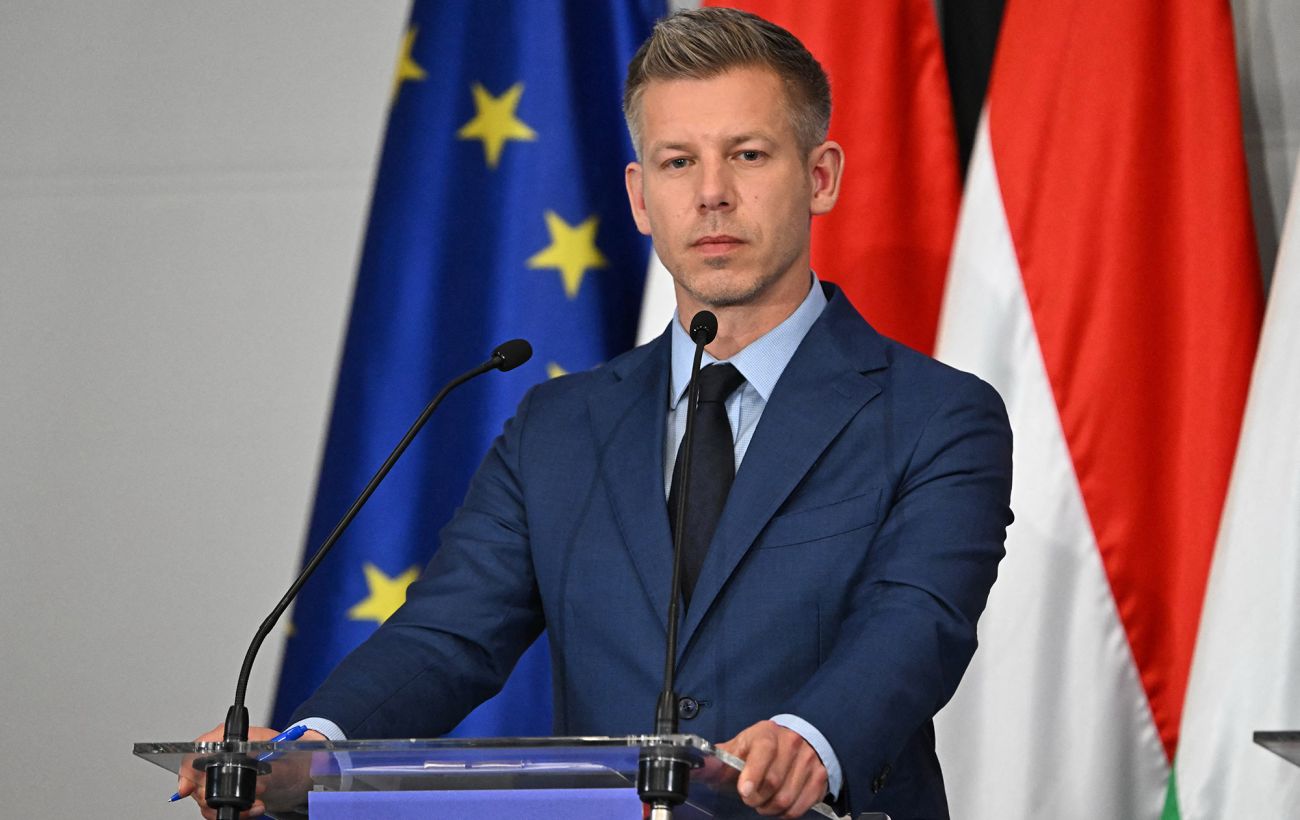
Hungarian PM's Stance on Russian Aggression and Transcarpathian Visit: Regional Implications
Hungarian Prime Minister Peter Magyar explicitly called Russia an aggressor and confirmed plans to visit Transcarpathia amidst recent drone attacks.
 🇺🇦Ukraine
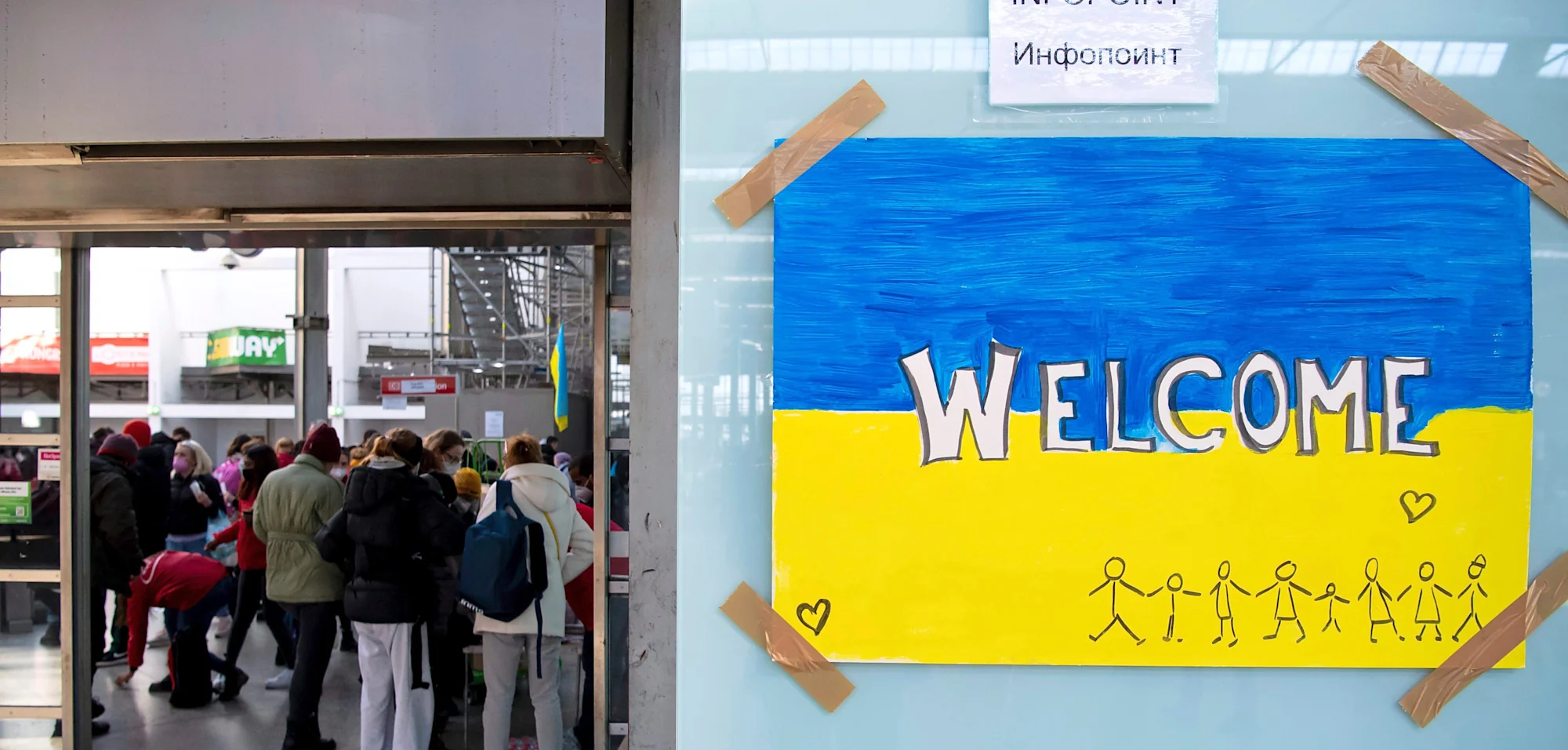
Munich to Repurpose Former BMW Offices as Housing for Ukrainian Refugees
The city of Munich has leased part of a former BMW administrative complex to accommodate 600 refugees starting mid-December.
 🧠AI Analysis
DTEK Grid Restoration Scale: National Context and Regional Impact
DTEK reported restoring electricity supply to over 3.5 million families within a week amid ongoing shelling of energy infrastructure.
 🧠AI Analysis
ATP Finals Review: Alcaraz's Dominance and Veterans' Struggles
Carlos Alcaraz won the ATP Finals undefeated, cementing his status at the top of men's tennis amidst growing competition gaps.
 🇺🇦Ukraine
Russian aviation industry reports test flight of second serial MC-21
The Irkutsk Aviation Plant has conducted the first flight of the second serial MC-21 airliner, a project central to Russia's import substitution strategy.
 🇺🇦Ukraine
Hungarian Prime Minister Announces Visit to Transcarpathia to Support Ukraine
Peter Magyar has expressed his intention to visit the Transcarpathian region and clearly stated his position regarding Russian aggression against Ukraine.