Microplastics in water: new study reveals hidden chemical risks
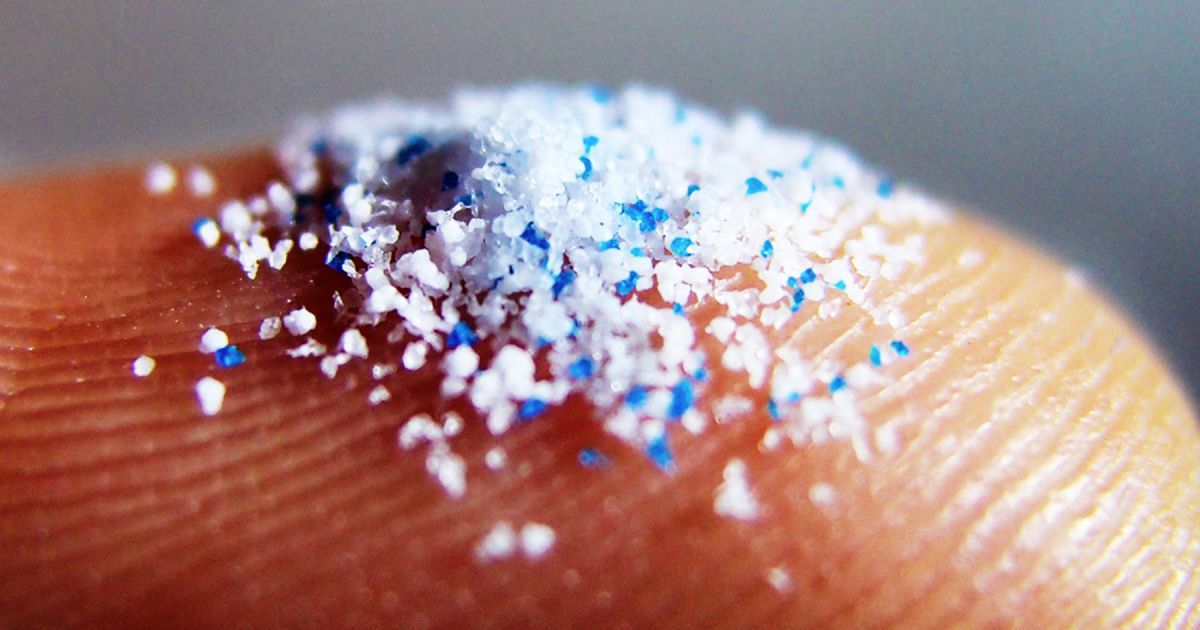
Researchers have discovered that microplastics in water are not just physical pollutants but can trigger chemical reactions that may damage cells.
 🩺Health
Photo: TSN
Key points
- Microplastics generate reactive oxygen species in water
- Cell damage observed in laboratory experiments
- Heating plastic increases the release of harmful particles
Scientists from Columbia University and the University of California, Berkeley, have revealed that microplastics are capable of active chemical interaction with water. Previously viewed as inert waste, these particles are now shown to participate in complex chemical processes.
Chemical activity of plastic
When in contact with water, the surface of microplastic particles generates reactive oxygen species. These molecules can interact with proteins and DNA, potentially causing cellular damage. Polyethylene and polypropylene were identified as the most reactive types of plastic, while PET and acrylic showed lower activity.
Laboratory experiments involving mouse red blood cells demonstrated that contact with polystyrene led to cell degradation, providing evidence of the potential biological impact of these particles.
Daily life precautions
Microplastics originate from various sources, including synthetic textiles and everyday plastic containers. Heating food in plastic containers or leaving water bottles in direct sunlight accelerates the degradation of the material, significantly increasing the release of micro-particles. Experts suggest limiting the heating of plastic to reduce potential exposure.
Source TSN — tsn.ua/zdorovya/mikroplastyk-vyiavyvsia-nebezpechnishym-niz-vvazaly-shc… ↗
Read next
 ⚽Sport
Dramatic overtimes and champion victories: how the Basketball Superleague matches concluded
The latest matchday of the Ukrainian Basketball Superleague delivered intense battles between leaders, incredible comebacks, and broken losing streaks.
 🚨Events
Body of third victim recovered from rubble in Dymer
Rescuers continue search operations at the site of a residential building hit in Dymer, Kyiv region. The death toll has risen to three.
 💡Tech
Thermonuclear Reactors in Space: Scientists Propose New Energy Source for Future Missions
Researchers suggest placing nuclear fusion reactors in orbit to supply clean energy for future space exploration and settlements.
 🛡️Security
Poland Reports Russian Disinformation Wave Over Alleged Attacks in Kaliningrad Region
Warsaw and Vilnius counter multiple fake claims spread by Russian sources regarding incidents in the Baltic area.
 🚌Transport
Government Launches Digital Platform for Monitoring Critical Infrastructure
Prime Minister Sergii Koretskyi announced the creation of a digital service for rapid response to utility disruptions and the involvement of military specialists in repai…
 🇺🇦Ukraine
British politicians distance themselves from Donald Trump over his comments on Putin
Leading British political parties have expressed disagreement with the US President-elect's rhetoric regarding the Russian dictator.